Introduction: A New Era in Diabetes Care
Diabetes is not merely a chronic condition; it is a global health crisis of staggering proportions. According to the World Health Organization (WHO), approximately 830 million people worldwide are living with diabetes, a number that has risen dramatically over the past three decades, with the majority residing in low- and middle-income countries. For too long, the narrative surrounding diabetes has been one of perpetual management—a lifelong battle to control blood sugar and stave off the inevitable march of complications. Today, that narrative is fundamentally changing. A confluence of breakthroughs in genetics, pharmacology, technology, and data science is reshaping our approach to this pervasive disease. We are moving beyond the paradigm of mere management and entering an era of proactive prevention, targeted complication reversal, and the tangible, science-driven pursuit of a biological cure.
This report will navigate the landscape of this revolution. It begins by establishing a clear, medically accurate foundation of the different forms of diabetes, which informs the distinct research strategies for each. It then explores the four central pillars of contemporary diabetes research: the evidence-based strategies for prevention and reversal; the technological and pharmacological innovations mastering management; the targeted assault on debilitating complications; and the multifaceted, cutting-edge quest for a cure. Finally, it looks to the horizon, examining how artificial intelligence and personalized medicine are poised to create a future of predictive, proactive, and profoundly individualized diabetes care.
Section 1: Understanding the Modern Diabetes Landscape
To appreciate the nuances of modern diabetes research, one must first understand that “diabetes” is not a monolithic disease. It is a spectrum of metabolic disorders, each with a distinct pathology that dictates a unique approach to treatment and research.
Type 1 Diabetes
Type 1 diabetes is an autoimmune condition in which the body’s own immune system mistakenly identifies and destroys the insulin-producing beta cells within the pancreas. This autoimmune assault leads to an absolute deficiency of insulin, a hormone essential for allowing glucose (sugar) to enter cells for energy. The onset of Type 1 diabetes often occurs during childhood or adolescence, though it can start at any age. The symptoms tend to appear suddenly and can be severe, including excessive thirst, frequent urination, unexplained weight loss, the presence of ketones in the urine, and profound fatigue. Individuals with Type 1 diabetes are dependent on external insulin administration for survival.
Type 2 Diabetes
Representing over 95% of diabetes cases, Type 2 diabetes is the most common form of the disease. It is a complex metabolic disorder characterized by a dual defect. Initially, the body’s cells become resistant to the effects of insulin, a condition known as insulin resistance. The pancreas attempts to compensate by producing more insulin, but over time, it cannot sustain this heightened output and its ability to produce insulin declines. This combination of insulin resistance and relative insulin deficiency leads to elevated blood glucose levels. Type 2 diabetes is strongly associated with lifestyle factors, particularly excess body weight and physical inactivity. Unlike Type 1, its symptoms are often less marked and can develop gradually over many years. This insidious onset means that a diagnosis may not be made until after serious complications, such as heart or kidney disease, have already begun to manifest.
Gestational Diabetes (GDM)
Gestational diabetes is a unique form of the condition that arises during pregnancy. It is not caused by a lack of insulin, but rather by a state of insulin resistance driven by hormones produced by the placenta. These hormones, which are essential for supporting the growing fetus, can have a blocking effect on the mother’s insulin, making it less effective. While the mother’s pancreas normally ramps up insulin production to overcome this resistance, in some women it cannot keep up, resulting in GDM.
Though GDM typically resolves after the baby is born, it carries significant health implications for both mother and child. For the baby, the mother’s high blood glucose can cross the placenta, triggering the baby’s pancreas to produce excess insulin. This can lead to excessive growth (macrosomia), a difficult birth, low blood sugar (hypoglycemia) immediately after birth, and a substantially higher lifetime risk of developing obesity and Type 2 diabetes. For the mother, a history of GDM is a powerful predictor of future health; approximately 50% of women with GDM will go on to develop Type 2 diabetes, representing a 10-fold increased risk compared to women without a history of the condition. This reveals that GDM is more than a temporary pregnancy complication; it acts as a metabolic “stress test,” unmasking an underlying predisposition to insulin resistance that can manifest as full-blown Type 2 diabetes later in life. This positions the postpartum period as a critical window for targeted prevention in a high-risk, identifiable population.
Prediabetes
Prediabetes is a critical intermediate state where blood glucose levels are higher than normal but not yet high enough to be classified as diabetes. It is a warning sign that the body’s systems for managing glucose are beginning to fail. The National Institute of Diabetes and Digestive and Kidney Diseases (NIDDK) states that without intervention, many people with prediabetes will progress to Type 2 diabetes within 10 years. This makes prediabetes a crucial public health focus, as it represents the most opportune moment to intervene with lifestyle changes to prevent or delay the onset of full-blown diabetes and its associated complications.




Section 2: The Four Pillars of Contemporary Diabetes Research
The vast and dynamic field of diabetes research can be understood through four strategic, goal-oriented pillars. These pillars represent the primary fronts on which scientists, clinicians, and public health experts are advancing the fight against the disease: Prevention and Reversal, Management, Complication Mitigation, and the Quest for a Cure.
Pillar I: Prevention and Reversal — The Power of Proactive Intervention
For decades, a diagnosis of Type 2 diabetes was considered a lifelong sentence. Groundbreaking research has shattered this paradigm, proving not only that the disease is preventable but that its progression can, in many cases, be halted and even reversed.
The cornerstone of this understanding comes from the landmark Diabetes Prevention Program (DPP), a major clinical trial funded by the NIDDK. The DPP definitively showed that for individuals at high risk of developing Type 2 diabetes, an intensive lifestyle intervention—focused on achieving a modest weight loss of 5-7% and engaging in at least 150 minutes of moderate physical activity per week—reduced the incidence of diabetes by a remarkable 58% over three years. This effect was even more pronounced in adults aged 60 and older, who saw a 71% reduction in risk. The study also tested the medication metformin, which reduced diabetes risk by 31% compared to a placebo.
The long-term follow-up study, the DPPOS, demonstrated the incredible durability of these interventions. Even 21 years later, participants from the original lifestyle group still had a 24% lower risk of developing diabetes, and the metformin group had a 17% lower risk. This translated into an extension of diabetes-free life by a median of 3.5 years for the lifestyle group and 2.5 years for the metformin group, providing the first long-term evidence of a return on investment in diabetes prevention efforts.
This research provides the scientific basis for the concept of diabetes remission or reversal. From a biological perspective, many of the processes that drive insulin resistance in Type 2 diabetes are reversible, particularly when addressed early in the disease course. This has led to the establishment of the “Four Pillars” of Type 2 Diabetes Remission: rigorous blood sugar control, effective weight management, optimized medication management, and comprehensive lifestyle modifications. These pillars are not abstract concepts but are built on tangible actions such as adopting a diet rich in plant foods and healthy fats, engaging in both aerobic and strength training exercises, and achieving and maintaining a healthy weight.
As the evidence for lifestyle intervention has become irrefutable, the challenge has shifted to scalability. Digital health platforms are emerging as a key solution. While purely digital interventions have shown modest effects, a powerful synergy appears when they are combined with traditional methods. A meta-analysis of randomized controlled trials found that while face-to-face interventions led to a 46% risk reduction in Type 2 diabetes incidence, blended interventions that combined digital tools with face-to-face support achieved a robust 37% risk reduction, demonstrating a viable path to delivering these life-changing programs at scale.
Pillar II: Mastering Management — The Technological and Pharmacological Revolution
For individuals living with diabetes, daily management has been transformed by a dual revolution in technology and pharmacology. These advancements have shifted the focus from reactive, burdensome tasks to proactive, data-driven, and increasingly automated care.
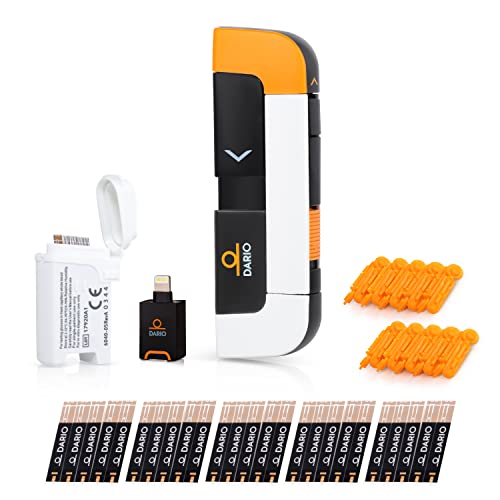
The most significant technological leap has been in glucose monitoring. The era of painful, single-point-in-time fingerstick measurements is giving way to the continuous, rich data stream provided by Continuous Glucose Monitors (CGMs). These wearable sensors measure glucose levels in the interstitial fluid every few minutes, providing a dynamic view of glucose trends. This technological shift has enabled a corresponding paradigm shift in the metrics used to assess glycemic control. The traditional three-month average, Hemoglobin A1c (HbA1c), is now complemented by more immediate and actionable metrics like
Time in Range (TIR)—the percentage of time a person spends within their target glucose range—and Glucose Variability (GV), which measures the swings in blood sugar levels.
This continuous data stream is the engine for the “artificial pancreas.” These hybrid closed-loop systems integrate a CGM with an insulin pump and a sophisticated control algorithm. The system automatically adjusts basal (background) insulin delivery in real-time based on CGM readings, significantly reducing the cognitive burden on the patient and improving TIR. The first such system, Medtronic’s MiniMed 670G, received FDA approval in 2017, heralding a new age of automated insulin delivery.
Concurrent with these technological advances has been a pharmacological revolution. A new guard of therapeutic agents has emerged that offers profound health benefits extending far beyond simple glucose lowering. This evolution reflects a deeper understanding of diabetes as a systemic disease, leading to a more holistic treatment approach focused on multi-organ protection.
| Table 1: The New Era of Type 2 Diabetes Medications |
| Drug Class |
| SGLT2 Inhibitors |
| GLP-1 Receptor Agonists |
| Dual GIP/GLP-1 Receptor Agonists |
These new classes of medication represent a fundamental shift in strategy. The old model was focused almost exclusively on controlling hyperglycemia. The new model recognizes that controlling blood sugar is just one part of a broader strategy that must also include directly protecting the heart and kidneys and addressing related conditions like obesity.
Pillar III: Mitigating the Aftermath — A Targeted Assault on Complications
Diabetes can inflict devastating long-term damage to the body’s organs, affecting the kidneys, eyes, and nerves. A major focus of modern research is to move beyond simply slowing the progression of these complications and toward actively halting or even reversing the damage using targeted therapies.
Protecting the Kidneys (Diabetic Kidney Disease – DKD)
Diabetes remains the leading cause of kidney failure worldwide. The approach to protecting the kidneys has evolved into a multi-pronged pharmacological strategy centered on four distinct pillars of therapy. These pillars are often used in combination to achieve additive benefits by targeting different pathological pathways, including abnormal hemodynamics, metabolism, inflammation, and fibrosis. The four pillars of modern DKD therapy are :
- Renin-Angiotensin System (RAS) inhibitors: These drugs (ACE inhibitors or ARBs) have been the standard of care for decades, working to lower blood pressure and reduce pressure within the kidney’s filtering units.
- SGLT2 inhibitors: As noted previously, these drugs have demonstrated powerful, independent kidney-protective effects, slowing the decline in kidney function.
- Non-steroidal Mineralocorticoid Receptor Antagonists (nsMRAs): Drugs like finerenone have been shown to reduce the risk of DKD progression by targeting inflammation and fibrosis.
- GLP-1 Receptor Agonists: These agents have also shown significant benefits in reducing albuminuria (a key marker of kidney damage) and slowing kidney function decline.






Saving Sight (Diabetic Retinopathy – DR)
Diabetic retinopathy, damage to the blood vessels in the retina, is a leading cause of blindness in working-age adults. For many years, the primary treatment was laser photocoagulation, a destructive procedure that could preserve central vision but often at the cost of peripheral vision. The standard of care has now shifted dramatically to vision-preserving intravitreal (into the eye) injections of
anti-vascular endothelial growth factor (anti-VEGF) agents. These drugs, such as ranibizumab and aflibercept, directly block the action of VEGF, a protein that drives the abnormal blood vessel growth and leakage that characterize advanced DR. While highly effective, these treatments are costly and can require frequent, lifelong injections. Research is now focused on more durable solutions, including novel gene therapies and an innovative
anti-ceramide immunotherapy. This emerging therapy targets a specific type of damaging lipid (ceramide) that contributes to cell death in the retina, offering the potential for a systemic treatment that could address a root cause of the disease without requiring direct eye injections.
Soothing the Nerves (Diabetic Peripheral Neuropathy – DPN)
Affecting approximately 50% of people with diabetes, DPN causes pain, numbness, and can lead to foot ulcers and amputations. Traditional treatments have focused on managing pain with limited success. New research is exploring therapies that target the underlying nerve damage. A significant advance is the FDA clearance of
spinal cord stimulation for painful DPN, a neuromodulation technology that directly intervenes in the nervous system’s pain signaling. On the biological front, researchers are investigating novel molecular targets, such as chemokine receptor inhibitors (e.g., DF2755A) and pathways like Endoplasmic Reticulum (ER) stress. Furthermore, the field of regenerative medicine holds promise, with studies exploring the use of
Mesenchymal Stem Cells (MSCs) to reduce neuroinflammation, mediate axon regeneration, and potentially reverse neuropathy symptoms.
Pillar IV: The Ultimate Goal — The Multifaceted Quest for a Cure
While prevention and management have seen incredible progress, the ultimate goal of research remains a biological cure, particularly for Type 1 diabetes. This quest is advancing on several sophisticated fronts, moving from theoretical concepts to clinical reality.
Rewriting the Immune System (Type 1)
Since Type 1 diabetes is an autoimmune disease, a primary strategy is to halt the immune system’s attack on the beta cells. A landmark achievement in this area was the 2022 FDA approval of teplizumab (Tzield). It is the first-ever therapy proven to delay the onset of clinical (Stage 3) Type 1 diabetes in at-risk individuals. By modulating the activity of the T cells responsible for the autoimmune attack, teplizumab delayed diagnosis by a median of two years, providing a crucial proof-of-concept for preventative immunotherapy. Other immunotherapies are also under investigation, including repurposing drugs used for other autoimmune conditions like rheumatoid arthritis (e.g., the JAK inhibitor Baricitinib) and developing advanced cellular therapies to “re-train” the immune system to tolerate beta cells.
Replacing What’s Lost (Type 1)
The other major strategy for a cure involves replacing the beta cells that have been destroyed. In 2023, the FDA approved donislecel (Lantidra), the first allogeneic (from deceased donors) pancreatic islet cell therapy. This procedure involves infusing islet cells into the liver, and while it requires lifelong immunosuppression to prevent rejection, it has enabled a significant number of recipients to achieve insulin independence for varying periods.
A monumental step forward was reported in 2024 from a case in China, where a patient with Type 1 diabetes achieved complete and sustained insulin independence following a transplant of islet-like cells that were created from her own reprogrammed stem cells. This use of autologous (the patient’s own) cells eliminates the need for immunosuppression and represents a major breakthrough, although significant challenges remain in scaling this highly personalized approach.
Overcoming Rejection: The Next Frontier in Cell Therapy
The central hurdle for any cell replacement therapy is preventing the immune system from destroying the newly transplanted cells. Researchers are tackling this with two cutting-edge technologies:
- Gene Editing: Using tools like CRISPR, scientists are creating “stealth” stem cell lines. These cells are genetically edited to remove the surface markers that the immune system uses for recognition, allowing them to evade attack. Programs like CRISPR Therapeutics’ CTX-211 are currently in early-stage clinical trials.
- Encapsulation: This approach involves placing the transplanted cells inside a semi-permeable, bio-compatible device. This capsule acts as a physical barrier, shielding the cells from immune attack while still allowing glucose, nutrients, and insulin to pass freely through its pores.
These diverse strategies, from modulating the immune system to replacing and protecting new cells, are transforming the pursuit of a cure from a distant dream into an active and accelerating area of clinical research.
| Table 2: A Snapshot of Cure-Oriented Therapies for Type 1 Diabetes |
| Therapeutic Strategy |
| Immunomodulation |
| Allogeneic Islet Transplantation |
| Autologous Stem Cell Therapy |
| Gene-Edited Stem Cell Therapy |
| Encapsulation Devices |
Section 3: The Future is Now: Personalized Medicine, AI, and Big Data
The next great leap in diabetes care lies at the intersection of biology and data science. The integration of artificial intelligence (AI), big data analytics, and personalized medicine is poised to create a new paradigm of care that is predictive, proactive, and tailored to the unique physiology of each individual.
The frontier is moving beyond the automation of the artificial pancreas toward the ambitious goal of using AI to predict and prevent adverse glycemic events before they occur. AI and machine learning algorithms can analyze vast, real-time datasets from CGMs, insulin pumps, wearable fitness trackers, and dietary logs to identify subtle, complex patterns that precede episodes of high or low blood sugar—patterns that are often invisible to the human eye.
This capability enables a truly personalized feedback loop. The vision is for a system where AI provides dynamic, tailored recommendations for insulin dosing, meal choices, and physical activity based on an individual’s predicted metabolic response. Futuristic concepts are already being proposed, such as an
AI-taVNS-CGM system. In this model, an AI algorithm would process real-time CGM data to orchestrate not only insulin delivery but also non-invasive neuromodulation via transcutaneous auricular vagus nerve stimulation (taVNS) to further optimize glucose regulation. This fundamentally changes the patient’s role. Traditional management involves periodic visits to a clinician to review lagging indicators like HbA1c and make broad adjustments. AI-driven systems bring management into the present and future, empowering the patient with continuous feedback and foresight. This transforms the individual from a passive recipient of care into the active CEO of their own health, with an AI serving as a powerful, data-driven advisor.
AI is also revolutionizing diagnostics and risk stratification. The FDA has already approved AI-based medical devices, such as IDx-DR, which can automatically screen retinal images for diabetic retinopathy, often with higher accuracy than human specialists. This technology dramatically increases access to essential screening, particularly in rural or underserved communities. Beyond diagnostics, machine learning models can analyze comprehensive patient data—including medical history, lifestyle factors, and genetic markers—to predict an individual’s risk of developing diabetes or its complications, enabling healthcare systems to deploy targeted, preventative interventions where they are needed most.
However, this data-driven future is not without its challenges. Realizing the full potential of AI in diabetes care requires a concerted effort to address critical ethical and logistical hurdles. These include ensuring robust data privacy and security to protect sensitive health information; actively working to overcome algorithmic bias in datasets to prevent the exacerbation of health disparities; establishing standards for device interoperability so that different technologies can communicate seamlessly; and developing policies to ensure equitable access to these advanced and often costly technologies for all populations.






Conclusion: A Message of Empowered Optimism
The landscape of diabetes research is undergoing a profound and accelerating transformation. The progress across all four pillars of research is undeniable. We have moved from a position of reactive management to one where proactive prevention of Type 2 diabetes is a proven, evidence-based reality. We have developed technologies that automate the daily burdens of care and new classes of medications that do more than lower blood sugar—they actively protect the heart and kidneys from damage. We have pioneered targeted strategies that are beginning to halt and reverse the course of devastating complications. And most remarkably, the quest for a biological cure for Type 1 diabetes has yielded its first FDA-approved therapies and landmark proofs-of-concept that bring the ultimate goal within sight.
While a universal cure has not yet been reached, and significant challenges of cost, access, and equity remain, the velocity of innovation offers more tangible hope than ever before. The future of diabetes care will be increasingly personalized, predictive, and participative. In this new era, knowledge is the most powerful tool. By understanding these research advancements, individuals living with or at risk for diabetes, along with their families and caregivers, can engage more effectively with their healthcare teams, advocate for the best possible care, and make informed lifestyle choices. This empowerment is the final, crucial element in the revolution, enabling people to live longer, healthier, and more fulfilling lives in the face of diabetes.